
Online CBT for men across the UK
and Europe
Clear, evidence-based therapy for anxiety, depression, OCD, low
self-worth, sexual difficulties, and the problems thoughtful people
can’t simply reason their way out of.
• BABCP - accredited CBT therapist
• 25+ years in mental health
• In person sessions available in Berlin
• Native English speaker
What men come to me with
Panic attacks
Health anxiety
Excessive worry
Phobias
OCD
Anxiety, Overthinking & Control
Confidence, Identity & Direction
Low self-worth
Life purpose
Shame
Procrastination
Feeling stuck
Sex, Relationships & Compulsive Behaviour
Sexual confidence
Sexual difficulties
Pornography
Compulsive sexual behaviour
Relationship difficulties
Chemsex & recovery
ADHD, Focus & Follow-Through
Attention & overwhelm
Emotional regulation
Procrastination
Getting things done
Neurodiversity
You do not need a diagnosis or a perfectly formed explanation to start. If something is getting in the way of the life you want to live, we can work it out together
Not sure where you fit?
My approach
Clear thinking. Honest conversation. Practical change.
Many of the men I work with have already spent years thinking about their difficulties. They may understand themselves well and still find the same patterns returning. Therapy should do more than produce a convincing explanation; it should help you change how you think, act, relate and live.
Evidence without dogma
My work is evidence-based but not formulaic. I draw on Cognitive Behavioural Therapy (CBT), Rational Emotive Behaviour Therapy (REBT), Acceptance and Commitment Therapy (ACT) and sex therapy, using each as a source of useful ideas rather than a script. CBT is often criticised for being overly manualised and too eager to fit people into neat models—sometimes fairly. Models should clarify your experience, not replace it.
Questions, not pronouncements
Philosophy shapes the work too. Sessions often take the form of Socratic dialogue: careful questioning rather than me handing you interpretations or answers. We may examine what you are assuming, the evidence for it, what you may be overlooking and whether another way of seeing or responding would give you more room to move.
Change in everyday life
My training in occupational therapy, together with extensive experience in psychiatric rehabilitation, keeps everyday functioning central to the work. Sleep, work, routines, relationships, physical health, valued roles and the environments around you can all sustain distress or support recovery. Activity is not merely an outcome of therapy; it can be part of the treatment. We may build routines, reduce avoidance, return to meaningful activities, practise difficult situations or reshape your environment so that change is easier to sustain.
From insight to action
I am interested in where a problem came from, but especially in what keeps it alive now: thoughts, behaviours, shame, emotional responses, relationship patterns, sexuality, habits, values or the practical structure of daily life. Insight matters, but understanding a pattern is not the same as changing it.
The aim is not simply to help you describe yourself more fluently. It is to help you respond with greater freedom and self-compassion—and develop the discipline and psychological flexibility to build a life that works better in practice.
About me
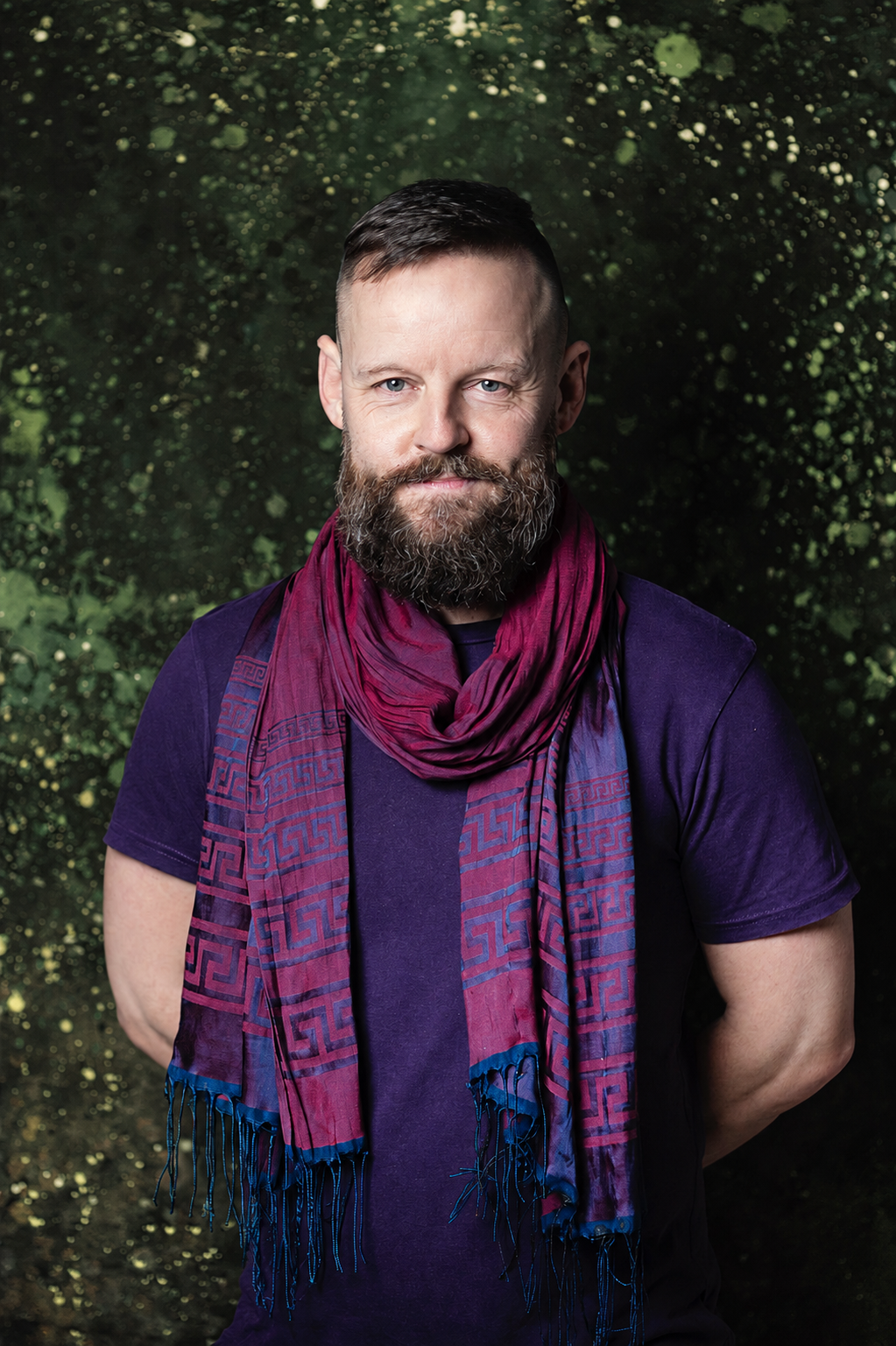
I’ve worked in mental health and psychiatric rehabilitation for more than 25 years, across secure services, prisons, NHS clinics and private practice. Along the way, I’ve managed therapy teams, supervised and taught clinicians, and spent a great deal of time trying to understand what genuinely helps people change.
My route here wasn’t especially conventional. I studied Art and Philosophy in the late 1990s, then spent much of the following decade working in frontline mental health, travelling, living in Australia, going to festivals and experimenting with different ways of living. I didn’t always take the sensible route. I occasionally found trouble and became fairly resourceful at finding my way out again. That part of my education didn’t come with certificates, but it taught me not to confuse respectability with wisdom—or someone’s messiest chapter with the whole story.
I eventually returned to formal study, completing an MSc in Occupational Therapy and later a Postgraduate Diploma in Cognitive Behavioural Therapy. I’m now a BABCP-accredited CBT therapist and serve as a Trustee on the BABCP Board.
I discovered I was dyslexic while completing my MSc. Finding out relatively late explained quite a lot. I’ve always tended to think visually, make unusual connections and approach problems from unexpected angles. It gave me a personal understanding of what it can mean to experience learning, attention and perception differently from the expected norm. It also made me cautious about over-identifying with clinical labels. A diagnosis can offer relief and useful understanding; it can also become too narrow a story about who someone is.
I’m grounded in evidence and reason, but I also recognise that sometimes it can be logical to be illogical. Human beings do not live by facts alone. A conversation might move between behavioural patterns, philosophy, sexuality, symbolism, spirituality, grief or the nature of reality. Tarot, myth and metaphor can illuminate an experience without needing to be treated as scientific fact.
Sometimes we need to ask not only, “Is this real?” but also, “Does this help me live the life I want for myself?”
Loss has shaped me too. Grief altered my relationship with time, love and mortality. It strengthened my conviction that therapy cannot only be about reducing symptoms or functioning more efficiently. It must also make room for the larger questions: what matters, what we desire, whom we love and how we want to use the time available to us.
During the pandemic, I decided to live more closely by my values and took a leap of faith: I left the UK and moved to Berlin, where I now live and work. It was a fairly characteristic decision—question the existing arrangement, tolerate some uncertainty and build something different.
I take the work seriously, but not solemnly. There is room in therapy for warmth, irreverence, laughter and the occasional existential detour.
Outside therapy, much of my time is spent with Plato, my Irish Terrier. He is affectionate, playful and fearlessly sociable—still learning that not every growl is an invitation to try harder.
Plato’s philosophy is refreshingly embodied: examine every lamppost in search of its true form, greet the world with optimism, recover quickly and keep moving. He reminds me that not every problem improves with more thinking.
He is not a trained therapy dog, but if you attend in person and are comfortable with dogs, he will greet you enthusiastically before quickly settling down. If you would prefer, he can stay in another room.
Plato

What clients say
Start with a conversation
You do not need to know exactly what you need or explain everything perfectly. Tell me briefly what has been happening and what you would like help with. I’ll reply to let you know whether I think I can help, and we can arrange a free 30-minute online consultation.
You can use the form or email me directly:
Your name, email address and other personally identifiable information are stored securely and kept confidential. MBS Therapies will never share your details with marketers or send you messages unrelated to services that MBS Therapies provide.
FAQs
What is your fee and how long are the sessions?
The sessions are €95 for 60 minutes
How long does therapy last?
That depends on what you would like help with, your goals and how the work develops. CBT is generally focused and time-limited rather than open-ended. Many people work with me for around 12–20 sessions, although some need fewer and others benefit from longer-term work. We will review your progress together as we go.
Do you accept health insurance?
I work on a private-pay basis and do not bill health insurers directly. If your policy includes reimbursement for private therapy, please check the terms with your insurer before beginning.
Do you provide online and in person sessions?
Yes, I provide both online and in person sessions in Friedrichshain, Berlin.
What is your cancelation policy?
I require at least 24 hours’ notice if you need to cancel or rearrange a session. Sessions cancelled with less than 24 hours’ notice are normally charged in full. I understand that life sometimes throws us a curveball, so, where possible, I will try to rearrange your appointment within the same week.
How do I pay?
I accept bank transfer however am happy to discuss other payments such as cash and PayPal.
Can I stop at any time?
Yes. You are free to stop therapy at any time. Where possible, I recommend having a final session so that we can review what has been useful and bring the work to a thoughtful close.